
Moving Off and Road Position
Safe move-off habits and stable lane positioning.
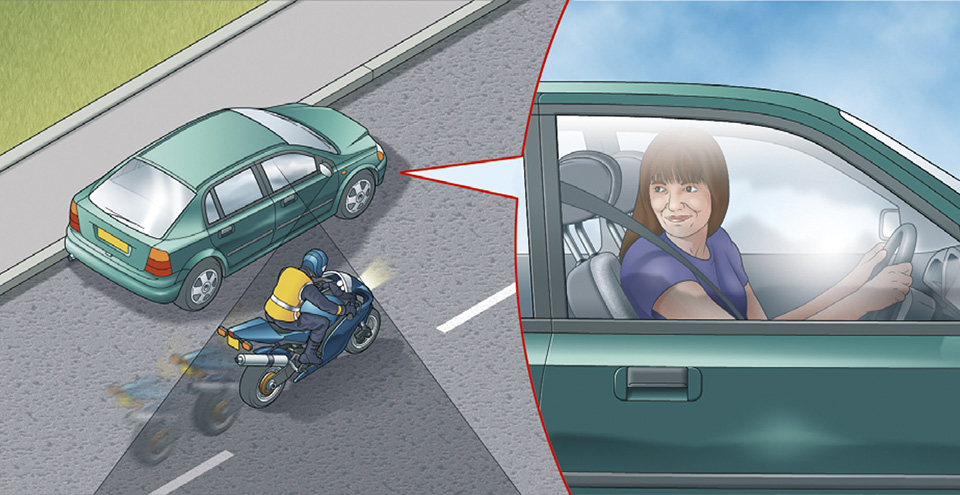
Why This Matters
Move-off and lane position errors often trigger repeated practical-test marks because they affect safety before the rest of the manoeuvre has even begun.
Coach Note
Good move-off technique is not one glance and one signal. It is a sequence that ends with a final relevant blind-spot check.
Learning Goals
- Use a full move-off safety sequence every time.
- Know the relevant blind spot for each move-off direction.
- Keep the car positioned safely on the left without crowding hazards.
- Recognise when to move from your normal road position.
Sections
Move-Off Sequence
Use the same routine until it becomes automatic.
Common Mistakes
- Checking too early and moving later without fresh observation.
- Skipping the blind spot.
- Moving out into traffic too hesitantly after the safe gap appeared.
Quick Quiz
Put the move-off actions in the correct order.
- Seat and mirrors adjusted
- Observe all around
- Signal
- Blind-spot check
Normal Road Position
Stay left enough to be correct, but not so far left that you create a new hazard.
Default Position
Drive far enough to the left to allow safe passing on the right.
Do Not Crowd The Edge
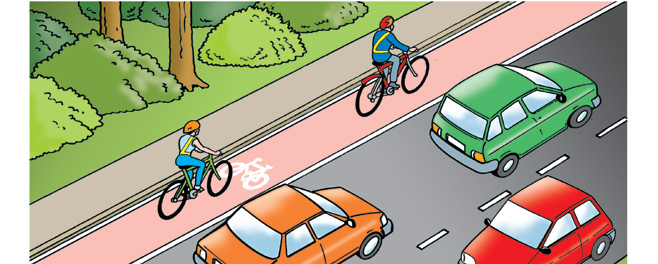
Do not drive so far left that you interfere with cyclists, pedestrians or cycle lanes, or risk hitting the kerb.
Move Position For A Reason
Move away from your normal road position only when safely overtaking, passing hazards or preparing for a turn.
Common Mistakes
- Driving in the middle without reason.
- Hugging the kerb.
- Changing position without mirror checks.
Buses, Cyclists and School Areas
Position and anticipation matter more in high-risk environments.
Signalling Buses
You should allow signalling buses to rejoin traffic safely where appropriate.
Near Schools
Be prepared to stop and expect children and sudden movement near school areas.
Cyclists May Change Position
Cyclists may move into a more central lane position to improve visibility, avoid hazards or prepare for turns.
Common Mistakes
- Passing a bus stop without looking for pedestrians.
- Turning left across a cyclist's path.
- Assuming a cyclist will always stay near the kerb.
Quick Quiz
Why might a cyclist move closer to the centre of the lane?
- A. To slow traffic down for fun
- ✓B. To improve visibility and avoid hazards
- C. Because cyclists never use the left side
- D. Because signals are not required
Cyclists may move to a primary position to improve safety and visibility.
Know the route before test day.
Turn nervous drives into focused practice. Follow independent route patterns with clear, turn-by-turn voice guidance on iPhone and Android.


Built for iPhone & Android
Practise at your own pace